
Pro Extender Review: The Injury I Never Expected And How It Sent Me To A Clinic
I never thought I would ever write a Pro Extender review that involved regret, frustration and a doctor visit. When I bought the Pro Extender, I expected a simple device that would fit into my routine and help me make steady progress. I read enough reviews to feel confident. I watched videos. I convinced myself I was choosing something manageable and safe. What I did not expect was a painful injury that took weeks to recover from. I was careful. I followed instructions. Yet I still ended up in a situation that forced me to seek medical attention. This is my full experience with the Pro Extender and everything that went wrong along the way.
How I Ended Up Buying The Pro Extender
My introduction to the Pro Extender started with endless browsing one night. I wanted something that could help me improve gradually without taking drastic steps. I saw the Pro Extender mentioned in many older forums. It had a reputation for being classic and widely used. People described it as a standard device that gets the job done if you stay consistent.
The price seemed reasonable. The claims seemed believable. It looked like a balanced choice for someone who wanted progress without complications. I read a few positive reviews and convinced myself it would work well for me. I placed the order without overthinking it.
My First Impression When The Package Arrived
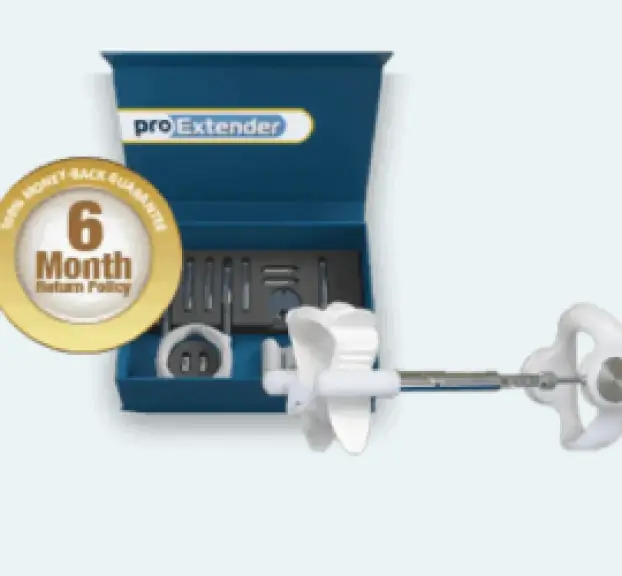
When the Pro Extender kit arrived, I opened the box expecting something modern. The design felt old. The frame looked basic and the noose strap made me nervous. I had already paid for it, so I tried not to judge too quickly. The kit included:
- the extender frame
• the silicone noose strap
• extension rods
• padding
• a manual
I told myself I only needed to learn how to use it correctly. I tried to stay positive even though the materials felt stiff and outdated. I convinced myself it would feel better when I started using it.
The First Week And The Small Issues I Ignored
My first session lasted an hour. The noose strap felt tight from the start. I adjusted it several times to avoid cutting into the skin. The stretch felt strong but not unbearable. I kept going because many reviewers said the first week always feels strange.
By day three, I increased the session length. The discomfort became more noticeable. I kept feeling a slight pinch under the strap. I ignored it because I thought my body needed time to adjust. I kept telling myself that a bit of discomfort meant the device was working, even though I knew deep down the pressure felt uneven.
By day five, I started feeling numbness near the head. It faded after removing the device, so I did not treat it as a warning. I wish I had.
Where Things Took A Turn For The Worse
On day eight, everything went wrong. I had the extender on during a calm afternoon at home. I was not moving much. I was not bending or twisting. I simply sat at my desk. About forty minutes into the session, I felt a sharp sting. It came out of nowhere. Not gradual pressure. Not slow discomfort. A sudden sting that made me freeze.
I removed the device instantly. The underside of my shaft looked swollen and bruised. A deep red line ran across the area where the noose strap sat. It felt hot and tender to the touch. The color darkened as minutes passed. I had never seen anything like that on my body before.
When I tried to walk, I felt a dull ache. That is when the fear kicked in. This was not minor irritation. Something was wrong.
Why I Decided To Visit A Doctor
The next morning, the bruise looked worse. The swelling had grown. The skin felt sensitive and tight. I could not ignore it anymore. I booked an appointment with a urologist because the situation was affecting my peace of mind.
Explaining the cause of the injury felt uncomfortable, but the doctor stayed professional. He examined the area and told me the noose strap had created strong localized pressure. According to him, the device compressed blood flow in one specific point, which caused soft tissue trauma. He said this type of injury happens when the strap places too much force on a small area.
The doctor prescribed anti-inflammatory medication and a topical antibiotic to prevent infection. He told me to avoid any traction device until the tissue healed completely. It took nearly three weeks for the swelling and bruising to disappear. During that period, even light pressure felt uncomfortable.
The Recovery And The Realization That Followed
Recovery changed my entire perspective. I kept thinking about how many signs I ignored. I remembered the pinching. I remembered the numbness. I remembered the tightness of the noose. Everything pointed to a design flaw that I did not want to acknowledge at the time.
I realized the Pro Extender relies heavily on the noose system to stay in place. That system concentrates pressure instead of spreading it. Even small tension levels can create too much force in one spot. If the tension increases even slightly or the strap shifts, the pressure becomes dangerous.
The worst part is that I was not careless. I did everything according to instructions. Yet the design still caused an injury.
What Went Wrong With The Device Itself
After using the Pro Extender and experiencing the injury, these issues became clear:
- The noose strap creates a tight point of pressure
• The base plate does not distribute force evenly
• Even moderate tension feels harsh
• The padding offers little protection
• The instructions do not explain warning signs properly
A device that sits on sensitive skin needs a forgiving design. The Pro Extender does not have that. It depends on a strap that squeezes too tightly, and that alone creates risk.
What I Wish I Knew Before Buying
If I had known how delicate traction needs to be, I would have chosen something else. Extenders work with slow, steady tension. They should never cause sharp pressure or numbness. I learned that not all extenders follow this principle. Some designs are simply outdated.
A beginner should never start with a noose based device. The margin for error stays too small. Even when you think you are careful, the strap can shift or tighten in a way the body cannot handle. I wish someone had explained that in simple words before I bought it.
Whether I Would Recommend The Pro Extender
After what happened to me, my answer is clear. I would not recommend it. Not because traction therapy itself is bad, but because the Pro Extender makes traction harder than it needs to be. The strap system, the pressure points and the lack of comfort all increase the risk of injury.
There are safer options out there with more advanced head systems and better pressure distribution. Those devices offer a better chance at progress without risking tissue damage. The Pro Extender does not offer that level of safety.
Final Thoughts In This Pro Extender Review
Writing this Pro Extender review reminded me of how quickly things can go wrong when design and comfort are ignored. I bought the device with hope and ended up with swelling, bruising and weeks of recovery. I learned that traction should never feel painful, sharp or uneven. I also learned how important comfort and circulation are for safe progress.
If you are thinking about using an extender, choose a device with a gentle head system and even pressure. Avoid anything that depends on a noose or thin strap. Your body deserves safer engineering.
I recovered, but the experience changed my view completely. I hope my story helps someone avoid the same mistake.